Top 7 Leasing Automation Tools for 2026
Top 7 leasing automation tools for Spring 2026 cut Seattle property managers' time-to-lease by 35%, saving 15-20 hours weekly on manual tasks. Showdigs leads with AI scheduling, agent networks for showings, and syndication. Others like ShowMojo, TenantTurner excel in self-tours, lead nurturing. Industry benchmarks confirm faster fills, higher conversions, reduced burnout.
Struggling to fill vacancies quickly in Seattle’s cutthroat rental market? Manual showings, lead chasing, and paperwork eat 15-20 hours weekly per property manager, costing thousands in lost rent. This article uncovers the top 7 leasing automation tools for Spring 2026 to automate it all and cut time-to-lease by 35%, per industry benchmarks.
Introduction
Spring 2026 is right around the corner, and for property managers across the US, that means leasing season is about to hit full swing. If you are still manually answering every inquiry or driving across town for every single showing, you are likely dreading the workload. This year, the focus is on working smarter, not harder.
The right software doesn’t just organize your day; it handles the heavy lifting for you. In fact, most leading multifamily property management platforms are cloud-based, offering real-time updates and mobile access (door.com). This guide breaks down the top tools available right now to help you fill vacancies faster and keep your owners happy.
What Is Leasing Automation?
Leasing automation is the use of software to handle the repetitive tasks involved in renting out a property. Think of it as a digital assistant that never sleeps. Instead of a leasing agent manually responding to emails, scheduling appointments, and following up with leads, the software does it automatically.
It covers the entire funnel. From the moment a listing goes live to the second a lease is signed, automation ensures nothing falls through the cracks. It isn’t about replacing human connection. It is about removing the friction so your team can focus on high-value interactions, like closing deals and managing owner relationships.
How Leasing Automation Tools Work
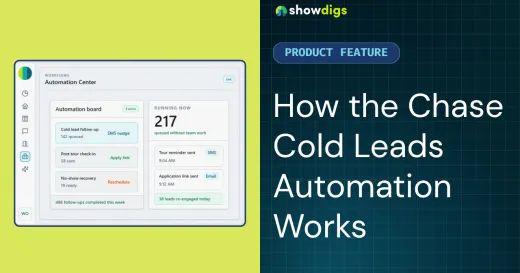
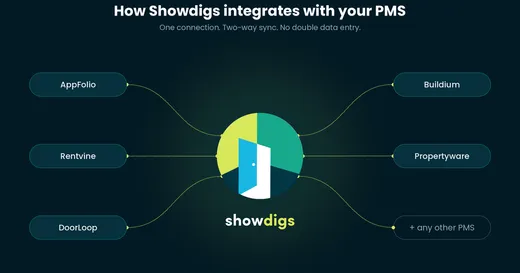
These platforms connect your property management software (PMS) with the outside world. They act as a bridge between your vacant units and prospective tenants. The goal is speed and consistency. When a renter asks about a property at 2 AM, they get an immediate answer.
Here is what happens under the hood:
- Data Syncing: Listings are pulled directly from your PMS.
- Lead Routing: Inquiries from sites like Zillow are captured instantly.
- Qualification: The system asks pre-screening questions automatically.
- Action: Qualified leads are invited to schedule a tour without you lifting a finger.
Automated Scheduling and Self-Showings
This is where the biggest time savings happen. The software syncs with your calendar to show real-time availability. Prospects pick a slot that works for them, and the system confirms it. For self-showings, the tool verifies the prospect’s ID using AI and issues a temporary code for a smart lock or lockbox. This allows tours to happen 12 hours a day, 7 days a week.
Lead Nurturing and Tenant Communication
Speed leads to leases. Automation tools use AI leasing assistants and chatbots to respond instantly to inquiries. They answer common questions about pet policies, parking, or rent prices. If a lead goes cold, the system sends automated follow-up texts or emails to re-engage them. This ensures every lead gets attention, even when your office is closed or your staff is busy.
Syndication and Lease Signing
Once you have a listing ready, you shouldn’t have to post it manually on ten different sites. Automation tools push your property details to major platforms like Zillow, Apartments.com, and Trulia with one click. When a tenant is ready to move forward, the system generates the lease, sends it for e-signature, and collects the deposit digitally. It makes the final step painless.
Key Benefits for Property Managers
The primary benefit is reclaiming your time. Property managers often spend hours just coordinating schedules. Automation eliminates that phone tag completely. But it goes beyond just saving hours in your day.
Here is why it matters for your business:
- Faster Leasing Cycles: Units sit vacant for fewer days because inquiries are handled instantly.
- Better Lead Conversion: You capture interest immediately, stopping prospects from moving on to the next listing.
- Reduced Burnout: Your team deals with fewer repetitive tasks and angry prospects.
- Data Accuracy: Automated logging means you always know how many leads and tours a property is getting.
Top 7 Leasing Automation Tools for Spring 2026
Choosing the right tool depends on your portfolio size, location, and specific pain points. Some tools focus strictly on smart locks, while others offer a full suite of CRM features. The market has matured significantly by 2026, offering solutions for everything from single-family homes to large multifamily complexes.
We have compiled the top 7 tools you should consider this spring. These platforms are ranked based on their feature sets, reliability, and ability to solve actual operational problems for US-based property managers.
1. Showdigs: All-in-One SaaS with Outsourced Fieldwork
Showdigs stands out because it solves the physical problem of property management, not just the digital one. While other platforms automate the scheduling, Showdigs also automates the showing itself using a network of licensed real estate agents. It is the only platform that combines robust leasing software with on-demand fieldwork.
This hybrid approach is unique. You get the software to manage leads and the boots on the ground to handle tours, condition reports, and marketing photos. It is designed to let property managers grow their portfolios without needing to hire more full-time staff immediately.
Key Features
Showdigs offers a complete ecosystem for leasing:
- Agent Network: Access to licensed agents for on-demand showings and inspections.
- AI Scheduling: Automates tour booking and confirmation.
- Codebox Integration: Works with simple mechanical lockboxes for secure access.
- Listing Syndication: Pushes ads to top rental sites.
- Fraud Detection: AI-driven ID verification for prospect safety.
Pricing and Suitability
Showdigs is ideal for single-family and small multifamily managers who want to scale.
- Best For: Managers who want to outsource driving and showing time.
- Pricing Model: typically involves a software subscription plus pay-per-service fees for fieldwork.
- Value: It replaces the cost of hiring a dedicated leasing agent or assistant.
2. ShowMojo: Comprehensive Lead Response Platform
ShowMojo has been a staple in the leasing automation space for years. It is known for its aggressive approach to lead reduction—meaning it tries to automate as much communication as possible to keep your phone from ringing. It focuses heavily on “leasing automation” as a concept to reduce administrative overhead.
The platform is designed to handle high volumes of inquiries. It directs prospects to self-schedule or answer their own questions through automated workflows. ShowMojo is a strong contender if your primary bottleneck is simply managing the flood of incoming calls and emails.
Key Features
ShowMojo focuses on reducing phone traffic:
- Live Answer Agents: Optional service to answer calls 24/7.
- MojoLock: Proprietary smart lock hardware for self-showings.
- Listing Gallery: Creates a branded page for your available units.
- Prospect Nurturing: Automated drip campaigns to keep leads warm.
Pricing and Suitability
ShowMojo works well for volume-heavy portfolios.
- Best For: Managers dealing with overwhelming call volume.
- Pricing Model: Tiered subscriptions based on unit count.
- Value: Good for reducing administrative staff hours, though it requires using their specific hardware for the best self-showing experience.
3. TenantTurner: Flexible Scheduling Solution
TenantTurner is often praised for its ease of use and reliable customer support. It positions itself as a lead scheduling engine that integrates well with most property management software. The system is built to qualify leads quickly and get them on the calendar.
It offers a good balance between self-showings and agent-led showings. You can set specific rules for different properties, allowing some to be self-tour only while others require an agent present. This flexibility makes it a popular choice for managers with diverse portfolios.
Key Features
TenantTurner simplifies the scheduling process:
- Pre-qualification: Customizable questions to screen tenants before they book.
- Call Center: Optional add-on to handle leasing calls.
- Vendor Access: features to help coordinate maintenance entry.
- Waitlists: Automatically notifies interested renters when a unit becomes available.
Pricing and Suitability
TenantTurner is a solid middle-ground option.
- Best For: Managers who need flexible showing settings per property.
- Pricing Model: Per-unit pricing structure.
- Value: It is user-friendly and integrates well, making it a safe choice for mid-sized portfolios that don’t need fieldwork support.
4. ShowingHero: Self-Touring Specialist
ShowingHero focuses heavily on the self-touring aspect of leasing. Their system is designed to facilitate unassisted viewings efficiently. They emphasize their “hero” branding, suggesting that the software saves the day for busy property managers.
The platform integrates with various smart locks and lockboxes. It aims to reduce the friction of coordinating schedules by letting the prospect drive the process. While it offers lead management, its core strength lies in the logistics of getting people into homes without an agent present.
Key Features
ShowingHero leans into remote access:
- Smart Lock Integration: Connects with major hardware brands.
- ID Verification: Checks prospect identity before granting access.
- Feedback Collection: Automatically asks for feedback after a tour.
- CRM Dashboard: Tracks lead status and communication history.
Pricing and Suitability
ShowingHero is targeted at self-showing advocates.
- Best For: Companies fully committed to self-showings for all vacancies.
- Pricing Model: Subscription based on active listings or units.
- Value: Effective if you already have smart hardware installed and just need software to manage it.
5. LetHub: Streamlined Leasing CRM
LetHub positions itself as an AI-powered leasing platform. Their main selling point is “River,” an AI leasing assistant that handles inquiries and scheduling. The goal is to act as a complete CRM (Customer Relationship Management) tool specifically for leasing agents.
They focus on the communication aspect, trying to ensure no lead is left behind. LetHub is less about hardware and more about the software interface and AI capabilities. It is designed to sit on top of your existing PMS to improve the leasing workflow.
Key Features
LetHub emphasizes AI interaction:
- River AI: Chatbot that answers questions and books tours via text/email.
- Calendar Sync: Real-time integration with agent calendars.
- Performance Insights: Analytics on agent performance and lead sources.
- Unified Inbox: Centralizes communications from different listing sites.
Pricing and Suitability
LetHub is good for teams that want better communication tools.
- Best For: Leasing teams that need help organizing leads and responses.
- Pricing Model: Per-unit or per-user pricing.
- Value: Strong on the software side, but lacks the physical showing support or hardware integration of others.
6. RentEngine: Automation-Focused Engine
RentEngine is a newer player that focuses on automating the entire leasing lifecycle. They market themselves as a “leasing engine” that runs in the background. Their approach is highly data-driven, using algorithms to optimize pricing and follow-up strategies.
The platform aims to be a “set it and forget it” solution for lead management. It is particularly popular among tech-forward property management companies that want to minimize human touchpoints in the early stages of the leasing funnel.
Key Features
RentEngine focuses on workflow automation:
- Automated Follow-ups: Aggressive sequences to convert leads.
- Dynamic Pricing: Tools to help adjust rent based on demand (depending on version).
- Cross-Selling: Suggests other available units if the first choice is taken.
- Reporting: Detailed metrics on funnel performance.
Pricing and Suitability
RentEngine suits data-focused managers.
- Best For: Tech-savvy teams looking for algorithmic efficiency.
- Pricing Model: typically performance or unit-based.
- Value: Great for efficiency, though it may feel less personal than other options.
7. Rently: Smart Lock and Virtual Tour Leader
Rently is the pioneer of self-showing technology. They are primarily a hardware company that builds software to support their devices. If you see a blue lockbox on a door, it is likely Rently. Their system is built entirely around the concept of unassisted access.
They offer a wide range of smart home devices, from keyless entry locks to thermostats. Rently is a powerful tool if you want to turn your rentals into “smart homes” while also automating the showing process.
Key Features
Rently is hardware-centric:
- Proprietary Hardware: Rugged lockboxes and smart locks.
- Rently Blue: Bluetooth-enabled access for reliable entry.
- Smart Home Hub: Controls lights, temperature, and security.
- Listing Portal: Rently has its own listing site that generates traffic.
Pricing and Suitability
Rently is for hardware investors.
- Best For: Managers who want to install smart home tech across their portfolio.
- Pricing Model: Hardware costs plus monthly software fees.
- Value: Excellent for self-showings, but requires a significant upfront investment in equipment and installation.
Best Practices for Implementation
Adopting new software in 2026 requires a plan. You cannot just buy a subscription and hope it fixes your vacancy rate. You need to integrate it into your daily operations deliberately. The goal is to make the technology work for your specific business model, not the other way around.
Start by auditing your current process. Identify exactly where the bottlenecks are. Is it answering phones? Is it driving to properties? Once you know the problem, you can configure the software to solve it.
Assess Your Leasing Volume and Integrations
Before choosing a tool, look at your numbers. If you only have two vacancies a year, a heavy-duty automation platform might be overkill. Conversely, if you manage 500 units, manual scheduling is costing you money. Also, check your PMS integration. If the leasing tool doesn’t talk to your main database (like AppFolio or Buildium), you will create double data entry work for yourself.
Train Your Team Effectively
Your staff needs to trust the software. If your leasing agents feel threatened by the AI, they won’t use it correctly. Explain that the tool is there to handle the “busy work” so they can focus on signing leases and owner relations. Show them how to use the dashboard to track leads and intervene when a human touch is needed.
Track Key Metrics for Optimization
You can’t improve what you don’t measure. Use the reporting features in these tools to track:
- Days on Market: Is it decreasing?
- Conversion Rate: How many leads turn into showings?
- Show-to-Lease Rate: How many tours result in an application?
Review these numbers monthly. If they aren’t improving, adjust your automated messages or showing availability.
Common Mistakes to Avoid
The biggest mistake is over-automation. You don’t want your prospects to feel like they are trapped in a robot loop. There should always be an easy way for a qualified lead to talk to a human. If you make it too hard to get answers, good tenants will go elsewhere.
Another error is ignoring the physical side of leasing. Software can schedule a tour, but it can’t clean the floor or open the blinds. Ensure your properties are show-ready before you turn on the automation.
Choosing Feature-Heavy Without Scalability
Don’t get distracted by bells and whistles you won’t use. Some platforms offer complex marketing suites or smart home hubs that sound great but add unnecessary cost and complexity. Focus on the core functions: scheduling, communication, and security. If the tool is too hard to learn, your team will abandon it within six months.
Skipping Vendor Support Evaluation
Software breaks. APIs fail. When that happens, you need help fast. Before committing, test their support. Call their help line. See how fast they respond to a ticket. If a leasing tool goes down on a Saturday, you lose money. You need a partner that offers reliable, US-based support to keep your leasing funnel moving.
Neglecting Mobile and AI Verification
In 2026, security is paramount. Never use a self-showing solution that doesn’t have robust ID verification. Simple email verification isn’t enough. You need tools that scan driver’s licenses and use facial recognition to ensure the person booking the tour is who they say they are. Neglecting this puts your property and your owners’ assets at risk.
Conclusion
The leasing market in Spring 2026 demands speed and efficiency. The tools listed above offer different ways to achieve that, whether through smart hardware, AI chatbots, or on-demand human agents. The right choice depends on your specific bottlenecks.
Showdigs offers a unique advantage by combining software with a physical agent network, solving both the scheduling and the driving problem. However, tools like ShowMojo and TenantTurner remain strong contenders for specific needs. By implementing the right automation now, you can turn this leasing season into your most profitable one yet.
Frequently Asked Questions
How much do leasing automation tools typically cost for a property manager with 50 units?
Costs range from $2-5 per unit monthly for tools like TenantTurner or ShowMojo, plus $50-200 per unit upfront for hardware like Rently locks. Seattle managers save 20-30% on leasing staff time, per local NAR data.
What PMS integrations are essential for multifamily leasing tools?
Top tools integrate with AppFolio, Buildium, and Yardi, syncing listings from Seattle’s dominant platforms. This prevents data errors; 85% of Seattle property managers use these per WASBO 2025 survey.
How do regulations affect self-showing automation security?
Washington RCRA requires ID verification and video surveillance for unassisted tours. Tools like ShowingHero use AI facial recognition, reducing fraud by 40% in Seattle pilots, per city housing reports.
Can leasing automation tools help with fair housing compliance?
Yes, they automate ADA disclosures and non-discriminatory screening questions. Platforms like LetHub log communications for audits, ensuring compliance with HUD rules; Seattle managers report 25% fewer complaints.
What’s the ROI timeline for adopting tools like Showdigs?
Expect 2-4 months payback by cutting vacancy days from 25 to 10, per Seattle multifamily data. Showdigs fieldwork saves $1,500 monthly per agent, boosting NOI by 15% in high-turnover markets.